
An introduction
Ostrich Breeding
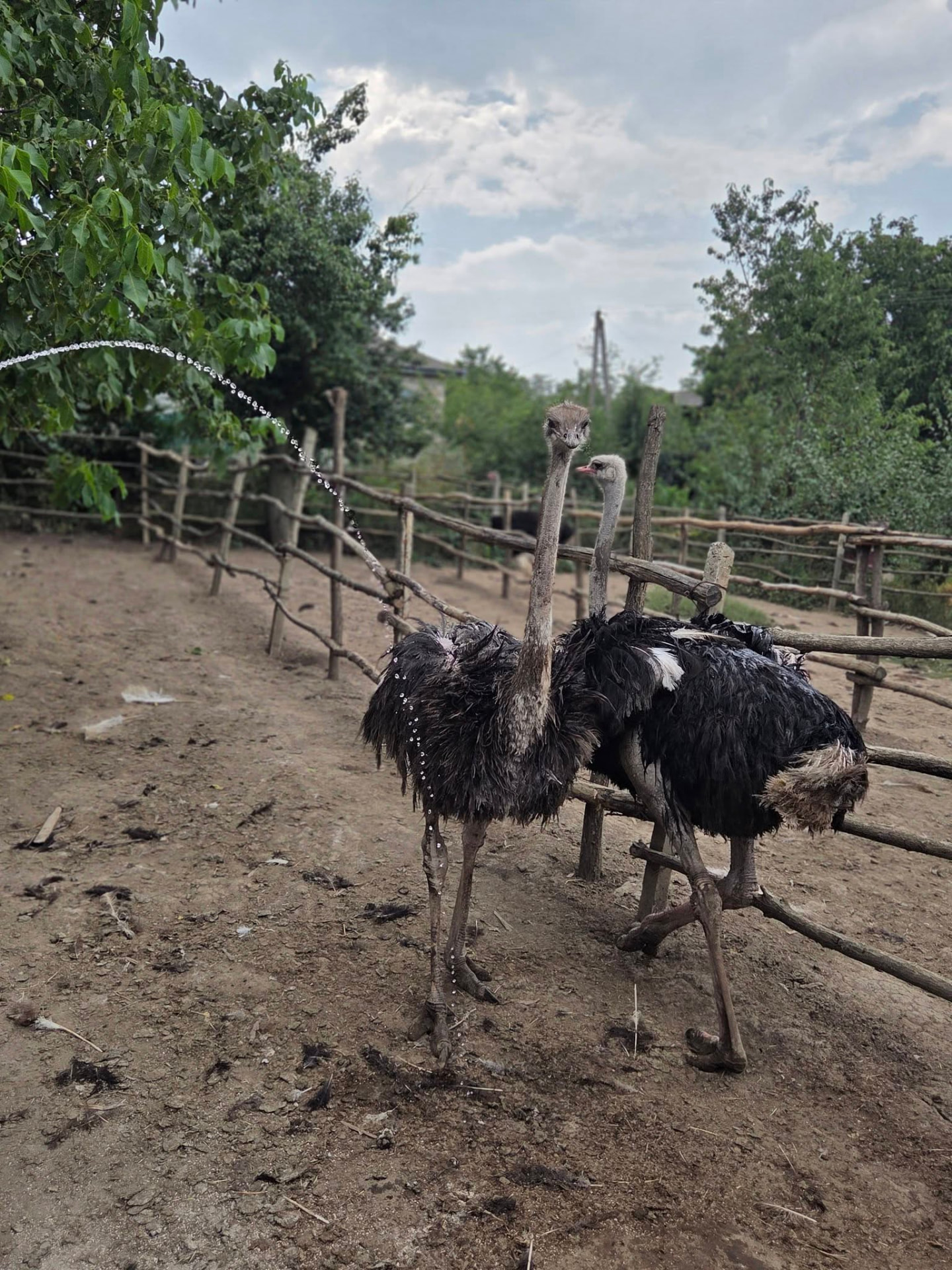
The ostrich (Struthio camelus) is the largest living bird. Adults can stand well over two metres tall, run at high speed and live for several decades. Farming them well means respecting both their strength and their sensitivity to stress.
The information here is general and educational. It does not replace advice from a veterinarian or other qualified professional.
- 01
Understanding ostrich farming
Ostriches are farmed for meat, leather, feathers and eggs. Farms range from small family holdings to larger specialised enterprises. Each needs suitable land, robust fencing, shelter and people who understand the birds' behaviour.
- 02
Breeding management
Breeding birds are commonly kept in pairs or small groups. Good records of laying, fertility and hatching help breeders understand how their flock is performing and when to seek advice.
- 03
Housing and facilities
Paddocks should be spacious, well-drained and free of objects the birds might swallow or injure themselves on. Fencing needs to be high and clearly visible. Shelters protect from rain, wind, cold and summer heat — important in Romania's climate.
- 04
Nutrition and water
Diets change with age and purpose — chicks, growers and breeders have different needs. Clean water must be available at all times. Sudden changes in feed should be avoided.
- 05
Chick care and development
Young chicks are vulnerable to cold, damp and stress. Warm, clean, dry housing, appropriate feed, gradual access to outdoor space and close observation are central to their early weeks.
- 06
Animal health and veterinary care
Regular observation helps detect problems early. A working relationship with a veterinarian familiar with ratites is invaluable.
- 07
Farm biosecurity
Ostriches are birds and can be affected by notifiable avian diseases. Controlled access, hygiene and compliance with veterinary authority instructions protect both the flock and the wider sector.
- 08
Responsible production
Responsible farms combine welfare, food-safety requirements, traceability and environmental care.