Areas of interest
Programs & Activities
Ostrich breeding involves a range of agricultural and livestock-management considerations. Reliable information, appropriate facilities, animal welfare and responsible management all contribute to informed decision-making.
The categories below are subject areas for the association's work. Until the association confirms which are active programs, each is presented as an educational subject or proposed initiative.
- 01
Ostrich-breeding knowledge
Understanding ostrich biology, behaviour, husbandry and the practical requirements of raising the birds. Possible resources include introductory guides and educational articles, once prepared and published by the association.
- 02
Livestock husbandry and farm management
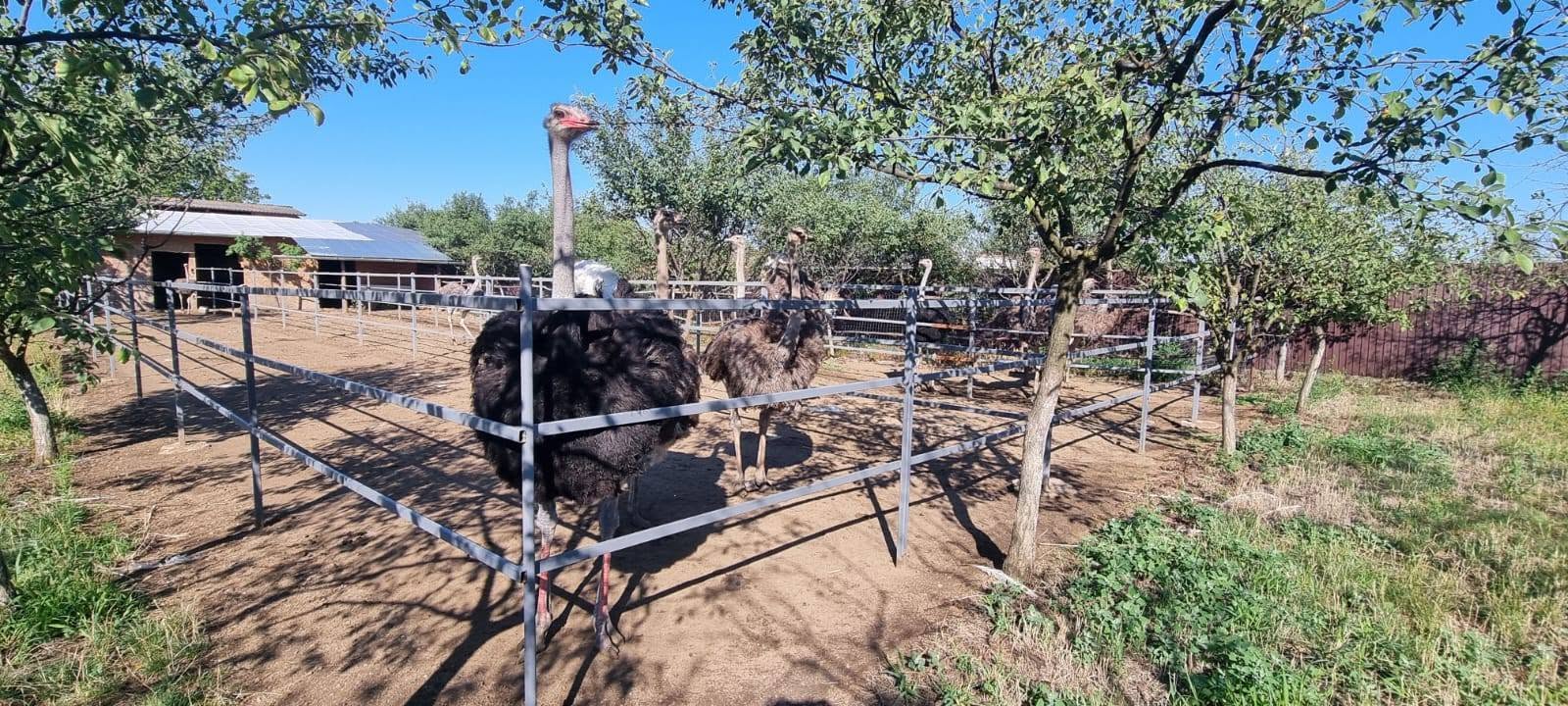
Housing, space, fencing, ground conditions, shelter, daily observation and record-keeping. The association does not claim to own or manage farms.
- 03
Breeding and reproductive management
Breeding groups, egg collection, incubation, hatching and chick care — subjects where qualified professional guidance is essential.
- 04
Nutrition and feeding
Species-appropriate feed for each life stage, reliable feed sources and constant access to clean water. Feeding plans should be set with a veterinarian or qualified nutritionist.
- 05
Animal welfare
Suitable environments, calm handling, routine observation and timely veterinary care.
- 06
Biosecurity and veterinary awareness
Hygiene, controlled visitor access, quarantine of new birds, disease reporting obligations and cooperation with veterinary authorities.
- 07
Agricultural sustainability
Land and water management, manure handling, feed efficiency and the long-term viability of farms.
- 08
Knowledge exchange
Possible meetings, discussions and visits where breeders share practical experience.
- 09
Industry information
Signposting to official sources on regulation, animal health and agricultural support.
- 10
Cooperation and professional development
Possible cooperation with research institutions, veterinary professionals and other agricultural organisations.